Advanced Diagnostic and Process Optimization with the Integrated False Analysis System
In transformer manufacturing, the drying, oil filling and sealing stages are critical technical processes that directly determine the service life of the equipment. Inaccurate execution of these steps may lead to moisture, trapped air or pressure-related risks inside the transformer. For this reason, heating, oil filling and final inspection steps must be fully controllable, repeatable and traceable — all of which are fundamental expectations of modern production.
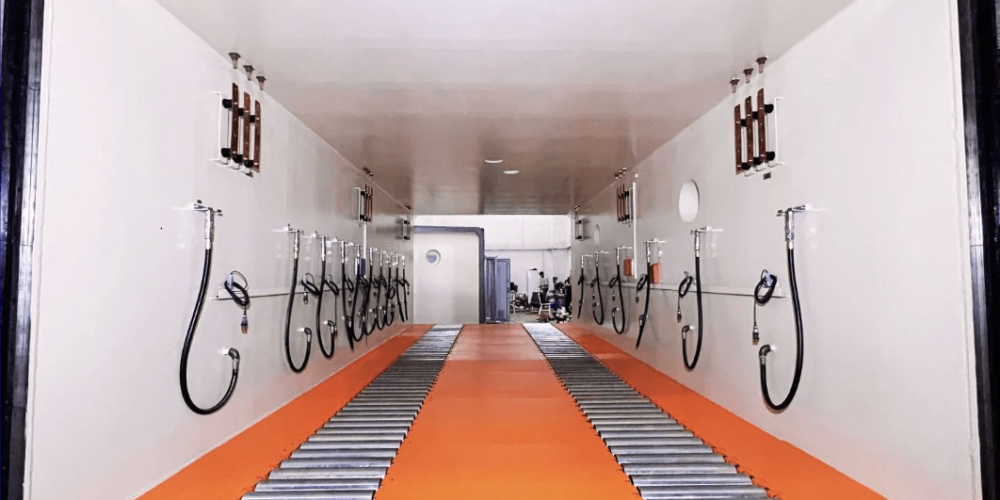
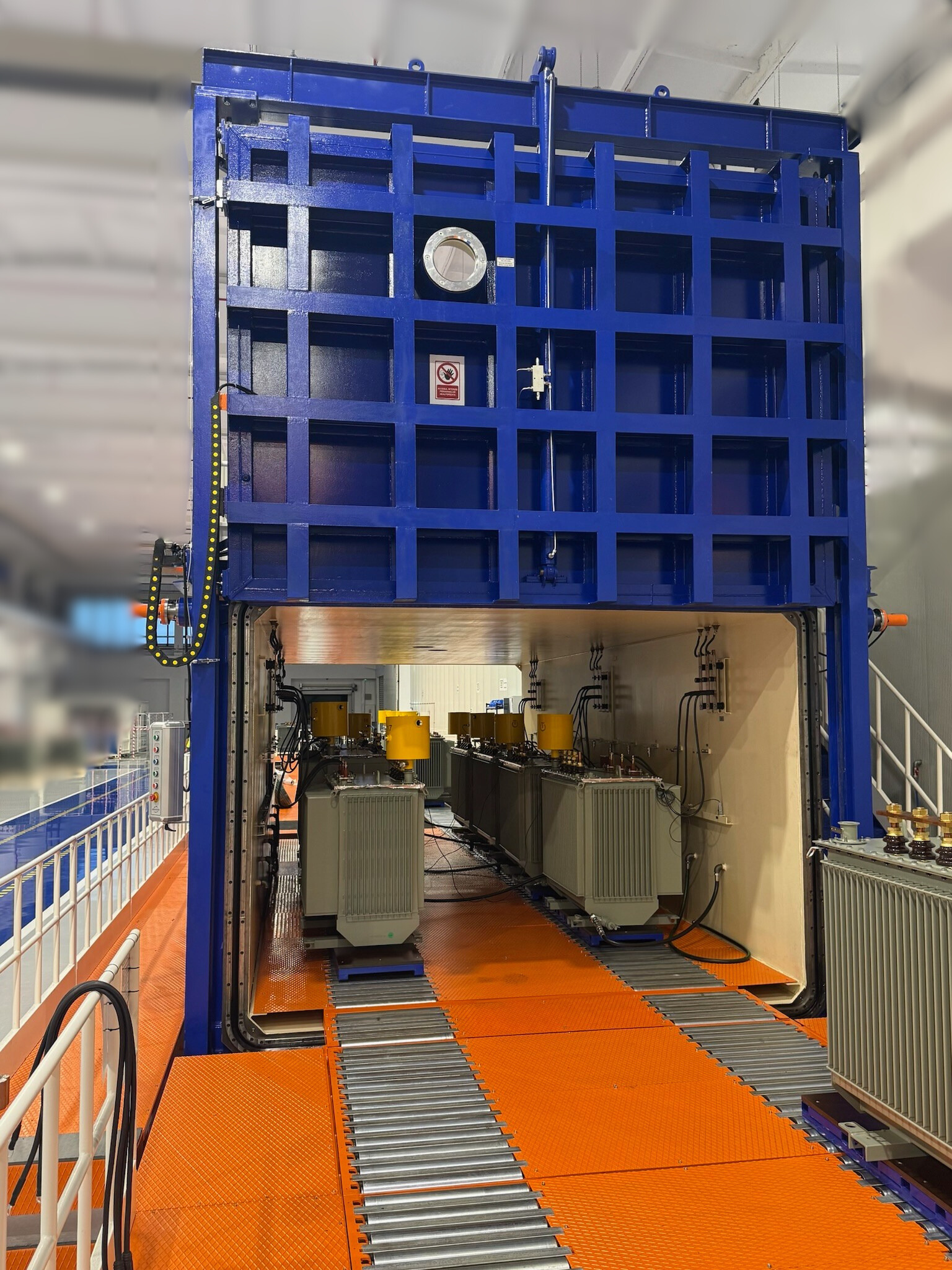
Asya Trafo’s LFH (Low Frequency Heating) transformer drying furnace is positioned at the core of this workflow, while the fully integrated FALSE Analysis Intelligent Oil Filling System automates sealing (hermetization), leak detection and pressure-testing procedures. Together, the transformer is processed in a fully controlled production line from furnace entry to final sealing.
1. LFH Technology: The Primary System That Accelerates and Standardizes the Drying Process
LFH (Low Frequency Heating) is an advanced drying method in which the transformer’s active part and tank are heated using low-frequency current, enabling uniform moisture removal. One of its most significant advantages is iits ability to deliver deeper thermal penetration within the insulation system while considerably reducing the overall production time.
Key Technical Advantages of LFH
-
Automatic operating modes based on transformer rating and physical dimensions
-
Reduction of traditional 30-hour drying cycles to 8–10 hours
-
Improved insulation drying due to deeper thermal penetration
-
Continuous moisture monitoring for controlled and repeatable results
-
Ensuring the transformer reaches the required internal conditions prior to oil filling
The essential purpose of LFH is to create an internal environment that is “oil-filling ready and compliant with technical criteria,” thereby forming the basis for accurate sealing and pressure-testing.
For this reason, all calculations performed by the FALSE Analysis unit — including oil volume, pressure and temperature references — are executed using the ideal values achieved after LFH processing.
2. FALSE Analysis: Automatic Oil Filling and Sealing Unit Integrated with the LFH Process
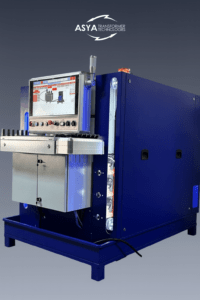
The FALSE Analysis Intelligent Oil Filling System is an optional integrated module that manages the oil filling, sealing and pressure-testing stages of a transformer immediately after LFH drying—through a centralized control interface.
The name FALSE refers to three critical risk factors that the system evaluates:
-Fatigue
-Leakage
-Sealing
This architecture ensures that the three most critical stages in transformer manufacturing are managed digitally, quantitatively and with full traceability.
3. Automatic Hermetization: The Most Critical Stage of Oil Filling
In transformers, hermetization is directly associated with completing the oil filling operation at the correct pressure and volume. The goal is to eliminate trapped air, ensure precise oil quantity and achieve complete sealing across all connection points.
When the transformer’s KVA rating and technical parameters are entered into the FALSE Analysis unit, the system automatically calculates:
-
Required pressure levels
-
Oil volume
-
Reference value ranges
in accordance with IEC 60076 (IEC 60076-1), EN 50464-4 and EN 50588-1, thereby determining the ideal hermetization conditions.
Within this standard framework, the following are defined
- Leak tightness (leakage) controls
- Pressure testing procedures
- Tank strength verification
- Fatigue / endurance test requirements
These criteria serve as a key reference to ensure the long-term safe operation of hermetically sealed transformers.
This approach eliminates operator dependency in the hermetic sealing process, ensuring consistent quality and production reliability.
4. Pressure Testing: Numerical Verification of Tank Strength and Leakage Integrity
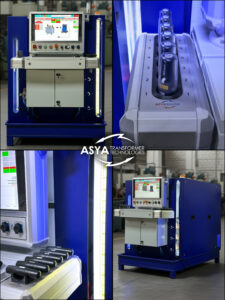
During operation, transformers are continuously exposed to varying internal pressure due to temperature-dependent oil expansion and contraction. Therefore, pressure testing during production is a mandatory quality control step.
Through pressure testing:
-Tank mechanical strength is verified
-Micro-leakages are detected at an early stage
-Volume-change-related risks are analyzed
-Compliance with IEC and EN standards is ensured
-Real operating conditions are accurately simulated
Thus, pressure tests are essential to ensure safe commissioning after hermetization.
Multi-Transformer Pressure Testing Capability
The system is designed to test up to eight transformers simultaneously, each on an isolated test line but operated through a single centralized pressure module.
Key advantages include:
-
Each transformer is tested independently — a leakage in one unit does not affect others
-
Uniform and controlled pressure application across all units
-
Centralized management via a single control panel
-
Ability to run individual or batch test operations
This configuration significantly boosts production capacity, reduces total cycle time and enhances operational efficiency.
5. Digital Reporting and Data Management
The FALSE Analysis unit stores all test data and provides the operator with detailed reports in:
-
PDF
-
Excel
formats.
These documents offer major advantages in production traceability, quality assurance and corporate archiving.
6. LFH + FALSE Analysis: A Fully Integrated End-to-End Production Workflow
When the LFH furnace and FALSE Analysis unit operate as a combined system, the transformer production line includes:
-
LFH drying
-
Oil filling
-
Hermetization
-
Pressure testing
-
Digital data logging and reporting
all within a unified workflow.
Core Benefits of This Integrated Structure
-
Complete process traceability
-
Elimination of manual errors
-
Significant reduction in processing time
-
High repeatability across production batches
-
Fully documented and digitally verifiable quality control